The Application of Digital Twin Technology in the Visual Monitoring of CNC Machine Tool Robots
The growing demand for flexible production in the manufacturing sector has placed higher demands on the operation and control of CNC machine tool robots.
With the rapid advancement of science and technology, the manufacturing industry is gradually transitioning toward high-end and precision manufacturing, leading to ever-increasing demands for machining accuracy, efficiency, and reliability in mechanical metal parts.
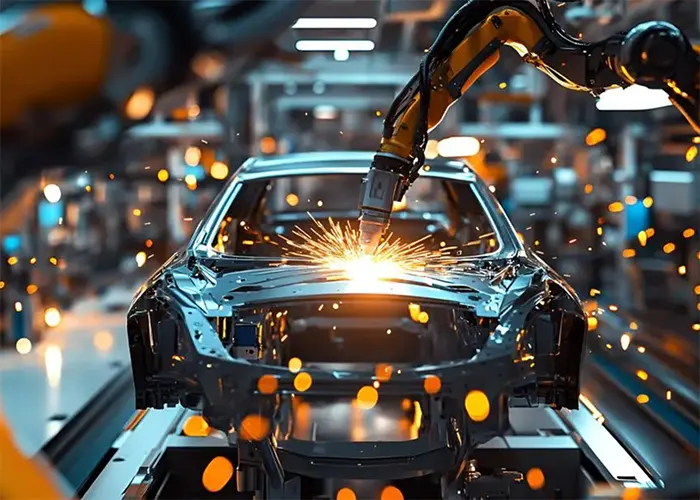
The automotive industry is a vital sector of the national economy, and the level of automotive manufacturing technology determines a nation’s industrial competitiveness.
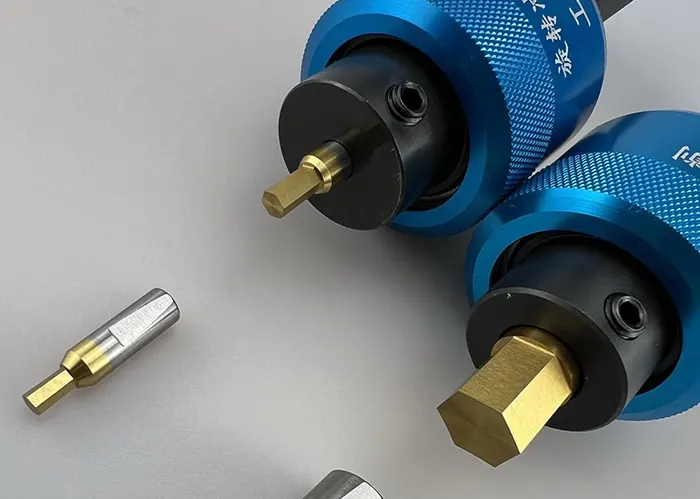
As an essential component of automobiles, the steering system has evolved from purely mechanical manual drive, through power-hydraulic drive and electronically controlled hydraulic drive, to electric power steering.
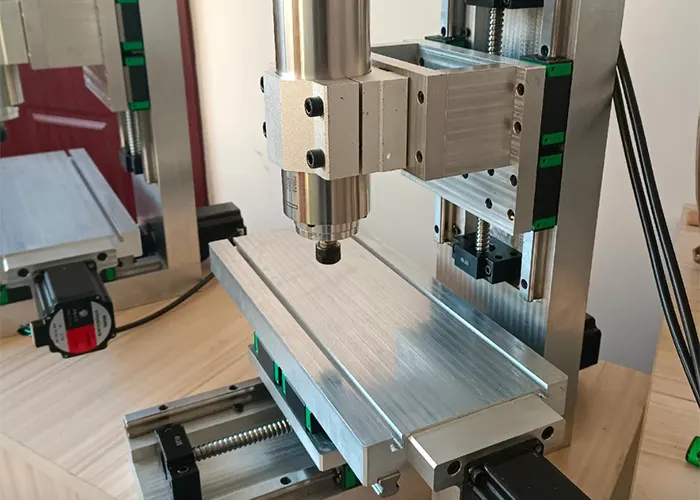
Numerical control machining technology plays an irreplaceable role in multiple fields such as aerospace, automotive manufacturing, and precision instruments due to its high degree of automation, flexibility, and precision.
Aluminum-based materials rank among the most widely used materials. Among them, aluminum alloys are extensively applied in consumer electronics, electronic circuits (aluminum substrates), and precision components due to their excellent thermal conductivity, low density, high strength, good formability, and superior oxidation and corrosion resistance.
As fundamental process equipment in industrial production, molds find extensive application across numerous sectors including automotive, aerospace, electronics, and home appliances.
Precision machining technology in mold manufacturing is progressively evolving toward greater efficiency, environmental sustainability, and intelligence, with the core focus on enhancing machining accuracy, surface quality, and production efficiency.
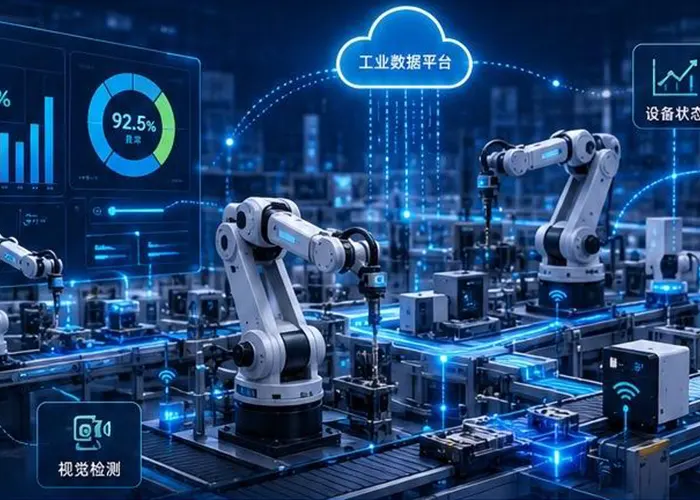
As global manufacturing transitions toward digitalization, networking, and intelligentization, robotic arms—as critical execution units within smart manufacturing systems—have seen their structural design and control capabilities emerge as pivotal breakthroughs for industrial upgrading.
Current smart manufacturing technologies face significant challenges, particularly in ensuring the health status of equipment within smart factories.